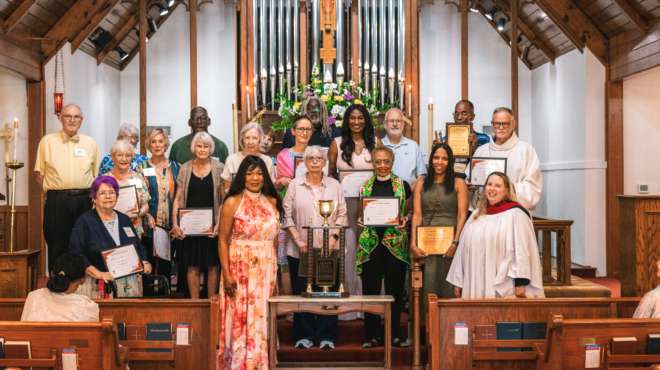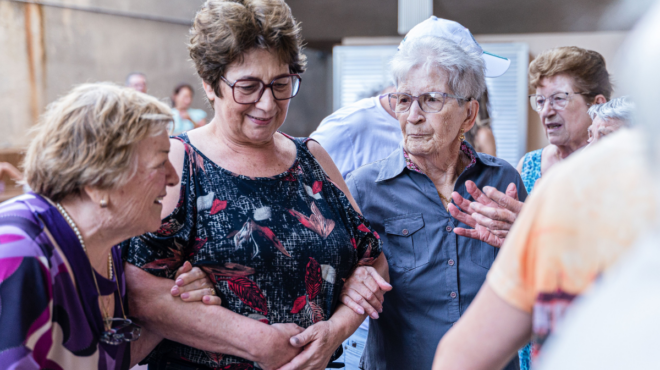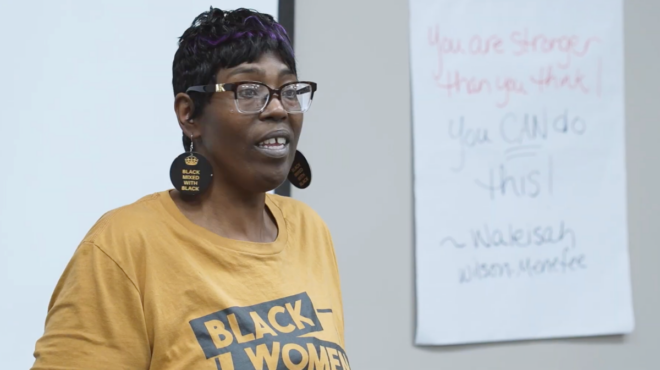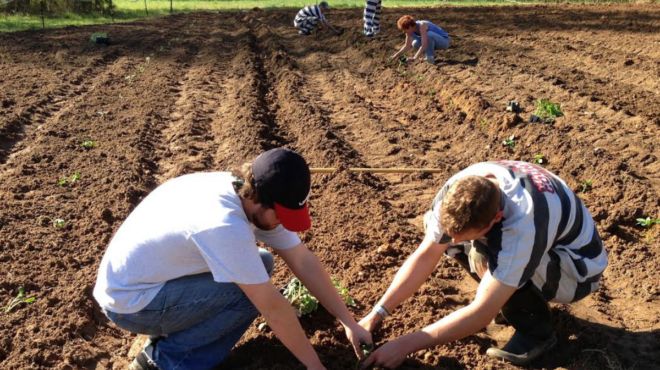


Recently we explored how to create strong partnerships between Episcopal churches and community partners. But what does effective communication with community partners look like, and how can it lead to long-term success?
Information sharing is an important tool in fighting poverty and oppression. Keeping partners updated with relevant news and opportunities can help create and sustain the shared mission. Partnerships can strengthen when a parish and nonprofit share and tell their story together. Usually, they have to do this when their combined resources aren’t enough to achieve their vision, and they seek grant funding.
Consistent Communication Drives Engagement
As an example, St. Bartholomew’s Episcopal Church in northeast Atlanta has long supported families of prisoners on Georgia’s death row in Jackson. Their community partner is the nonprofit New Hope House, which transports family members for prison visits, court hearings, and other support.
Neither partner had enough funding when New Hope House needed a new van. They found out that the ECF grants provide funding for efforts with people impacted by the criminal justice system.
During the grant process, assembling information and stories made the partners even closer.
“Many hands had to stir the soup to make it happen,” St. Bart’s member Neva Corbin said of the 2021 ECF capital grant of $36,500 to purchase a new van. “The group dynamics evolved into a personal connection with people we hadn’t known before who had the same values as we did. Sometimes, one can feel that they are the only one who cares about an issue, but getting a grant proposal together makes one realize that a lot of concerned people are willing to contribute whatever they can.”
The partnership thrives through relevant news shared regularly with everyone who pitched in on the grant proposal. Corbin sends news articles related to scheduled executions, prison reform, and more. She often urges them to attend a vigil or contact legislators.
The information flow, growing personal connections and support, and grant funding provide crucial morale boosts for this daunting work.
“My relationships with the people at St. Bart’s – people who have made it clear that they have my back and truly find joy in our partnership – have been crucial in boosting my morale and sustaining New Hope House through its challenges over the years,” said New Hope House Executive Director Mary Catherine Johnson.
Listen and Follow the Partner’s Lead
A church can strengthen a community partnership by taking cues from the nonprofit staff and the clients they serve.
As an example, the Cathedral of St. Philip has a long-term partnership with Intown Cares (IC, formerly Intown Collaborative Ministries), which works to prevent and reverse homelessness and hunger. The partners share a belief in the inherent dignity of every individual.
“It’s been very important to take our cues from Intown Cares staff and clients—not telling them what we would like to do for them but asking what would be most helpful,” said Rev. Julia B. Mitchener, Canon for Mission at the Cathedral.
Their shared commitment to dignity multiplies what they accomplish with their resources, which attracts outside funding. The partnership received a 2021 ECF capacity-building grant of $15,000 to implement a new IC database for more efficient programming and fundraising.
Synergy like this makes others want to join and give. The Cathedral Farmers Market donates produce to IC to distribute. Other churches have pitched in to establish a satellite ministry, Buckhead Cares.
This partnership thrives because of “significant relationships with IC staff members that make us more aware of and more responsive to the needs of our neighbors living with food and housing insecurity,” Mitchener added.
To find out more about the ECF funding process, reach out to Executive Director Dr. Lindsey Hardegree.