
Supporting formerly incarcerated people requires understanding the challenges they face when they reenter society.
In prison, time can seem to stop. You no longer feel a need to keep up with new technology. Facing life without parole, there is no urgency to make a resume, use a touchscreen, or understand a microwave oven.
But sometimes, release does happen. And society thrusts individuals into a world that is far more complex than they remember from decades before.
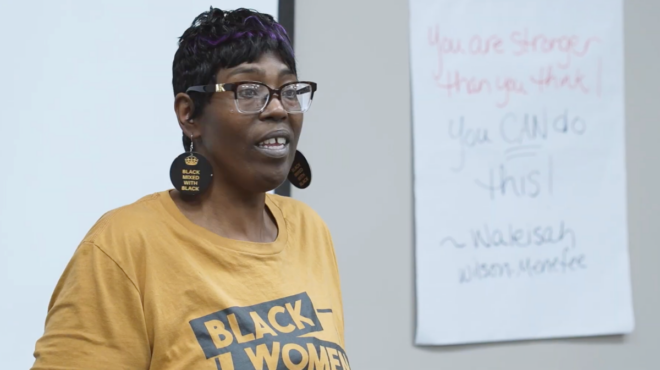
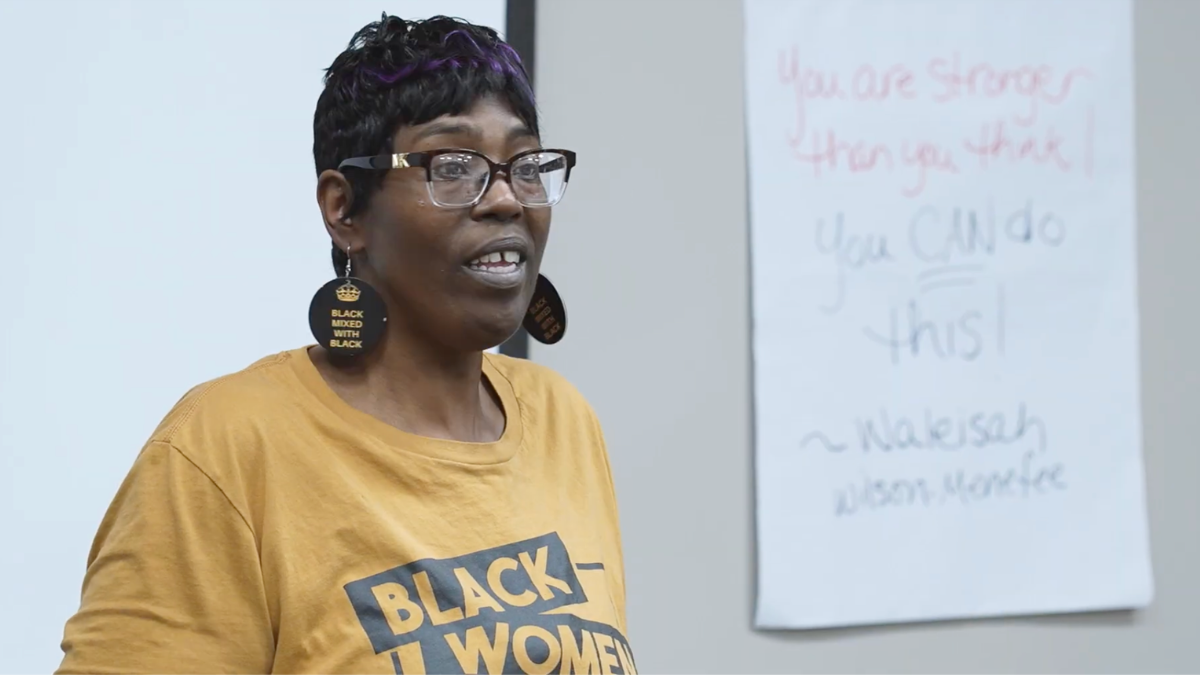
Waleisah Wilson-Menefee is a case worker, mentor, and advocate. She has served at the Southern Center for Human Rights in Atlanta for six years and helps individuals navigate steep barriers to reentry. In addition to her work as an advocate, Wilson-Menefee is formerly incarcerated and now exonerated. She experienced firsthand how vital human dignity and practical support are for those leaving prison.
Formerly incarcerated people can become isolated by their lack of tech savvy, on top of stigma and other barriers. Wilson-Menefee advises that the faith community should be a leading space for unconditional welcome, practical skill-sharing, and long-term connection.
Navigating the Barriers to Reentry in a Digital World
Neighbors who leave incarceration after 10+ years re-enter a world that moves rapidly, and is often unrecognizable. Those who entered custody as youths who emerge as adults in their 60s or 70s have missed generations of technological transformation.
“Everything is just too fast,” Wilson-Menefee noted, recalling a client who felt overwhelmed after 10 days of release.
In prison, daily routines like meals are rigid. On the outside, tasks like accessing online doctor portals, attending Zoom meetings, or self-checkout purchases under security cameras can trigger intense anxiety.
Why Churches Must Support Formerly Incarcerated Neighbors
Furthermore, while social service agencies can help manage basic administrative casework, practical adjustment requires a committed community-centered approach. Getting accustomed to daily life can take significant coordination, patience, and time.
Wilson-Menefee identifies critical areas where churches can step in for long term justice-impacted people:
- Digital inclusion: Public assistance, including disability checks and food stamps, is managed online. Missing digital notifications or calendar invites can cut off a critical lifeline.
- Preventing exploitation: Individuals are susceptible to identity theft and digital financial scams; they don’t know how to monitor their credit profiles or protect their personal records.
- Confronting ageism: Individuals who spent decades working while incarcerated often find employers reluctant to hire applicants over 60.
- Creating family-like ties: Many people have outlived their family members; their support system no longer exists.
True Welcome: Ministry for Formerly Incarcerated People
Meaningful ministry must go beyond church programs inside correctional facilities. It doesn’t make sense that when individuals released from prison step through church doors, they encounter suspicion or rejection. That happened to Wilson-Menefee at multiple churches until Ebenezer Baptist Church welcomed her.
Dignity means not prying into a person’s reason for incarceration or demanding a background check. “There’s an assumption that the person coming out of prison is going to be a danger, and that’s not always true,” she said, mentioning the entrenched practice of plea bargaining that ensnares innocent people, especially those in poverty. “Even if they did do something wrong, they are not irredeemable.”
Practical Ways Your Parish Can Support Formerly Incarcerated People
What if a parish prepared a celebratory, inclusive welcome, akin to greeting a returning military member? Churches can integrate practical life skills—like tech literacy, budgeting, and nutrition—into broad, inter-generational educational workshops open to the entire congregation.
In addition to celebration, other possibilities of supporting long term justice-impacted individuals include offering digital tablets for older individuals who want to preserve cognition, old-school wall calendars for managing schedules, or providing reliable transportation.
Faith communities can engage with local coalitions like the Justice Reform Partnership to understand local needs. “The church should be the number one place providing that connection,” Wilson-Menefee says. “Just invite people to the church and welcome them by name.”