
Parishes and nonprofits who have applied for ECF funding know that if their proposed project involves renovation or construction on church-owned property there are a few additional steps required for ECF to consider your proposal.
We met with Rev. Canon Lang Lowrey, Canon for Christian Enterprise for the Episcopal Diocese of Atlanta, to learn more about the architectural review process and what potential grant applicants should know. Lowrey’s deep background in real estate development helps shape all building and financing projects in our diocese.
Why are there extra steps involved in church construction projects?
“Any building project in the Diocese of Atlanta has to go to the Commission on Church Architecture and Church Construction,” says Lowrey. Many people are unfamiliar with the church’s canons which govern the parishes in the Diocese of Atlanta. Per canon law, church property is not owned by each individual congregation. Instead, a church’s property is held in trust for the diocese. Changes to that property are not possible without following the process laid out in the diocesan finance canons.
What does the Commission look for that would help a prospective grantee receive a letter of approval?
Lowrey says that there are two main factors they’re investigating when considering building projects:
Is the proposed construction architecturally and engineeringly sound?
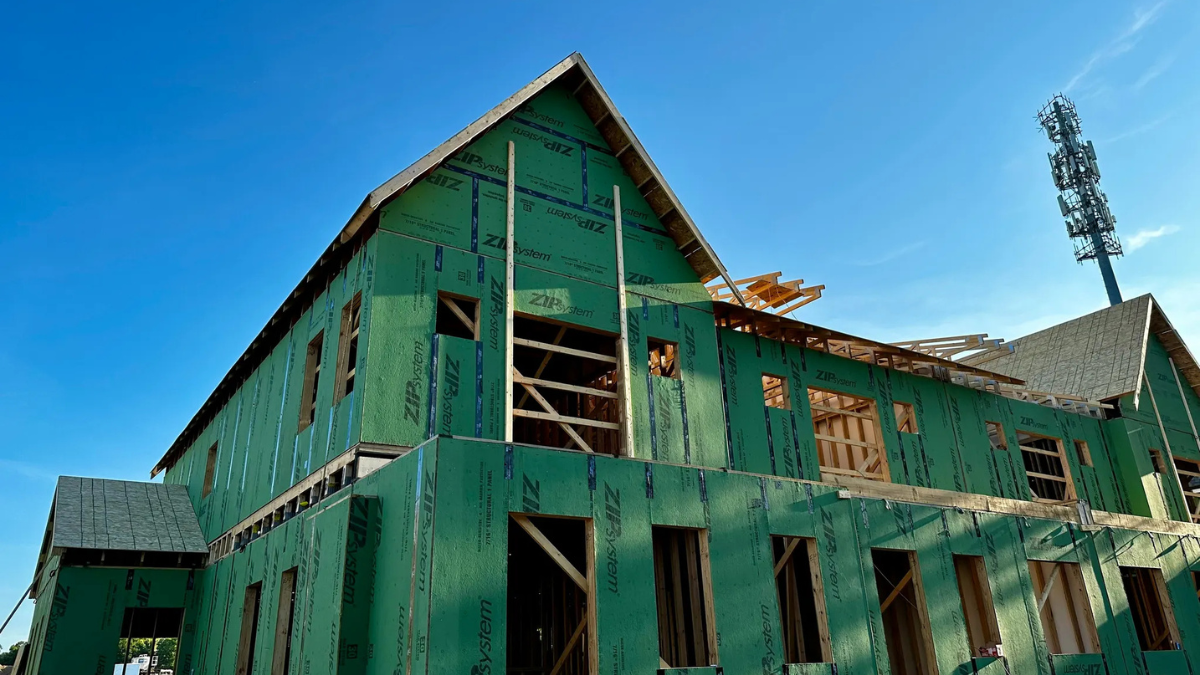
According to Lowrey, any church building project is required to submit drawings. “I want to make sure that whatever they’re building is built to code. That it’s going to be built to our Episcopal standards.” Church campuses are sacred and holy places. The Commission wants to ensure that the look and feel of the new construction is consistent with the existing church building(s). “Even if you’re putting up a shed for something like refrigerated food storage for people in need, we like to see the architectural continuity. We want the ‘words and the music’ to go together, so that shed looks like it belongs with the church.”
What is the overall financial plan for the project, and will there be money to complete the project?
An important aspect is making sure that the real cost of a project is understood. “Construction costs have gone up so high, and there are so many hidden costs, shared Lowrey. “What I don’t want applicants to do is take ECF grant funds and underestimate the cost. An unfinished product is a blight, right? When a project remains unfinished, a building inspector is going to make them go tear it down or complete it.”
How does debt or financing impact this process?
Lowrey acknowledges that the congregation’s ability to service debt is “the biggest obstacle for a letter of approval.” The communities in The Episcopal Church generally try not to incur debt unless absolutely necessary. According to Lowrey, across the international church “80% do not have any debt. We are averse to putting debt on churches. If a church proposes utilizing debt, we’re really looking to make sure they can service that debt.”
He frames the ability of a church to service its debt as a stewardship issue. For example, if a parish has a surplus in their annual giving each year, then they will not have an issue paying off their debt. “If they don’t, they need to go out and raise more money before we’ll issue a letter of approval for an ECF grant. We can’t let them have an ECF grant to go into debt that they can’t service.”
Will all church construction projects need to go before the Standing Committee?
Not all projects will need to go before the Diocese of Atlanta Standing Committee for approval. “Any proposed building project that has debt has to go to the Standing Committee, either borrowing money or taking out a mortgage” stated Lowrey. “If you have all the cash that you need to do the project, and you have no stewardship issue, you do not have to go to Standing Committee.”